







Search Results for: indicator light
De'Longhi Coffee Machine Indicator Light Faults: Illustrated Analysis of Common Alarm Causes and Corresponding Troubleshooting Methods
During the use of a De'Longhi coffee machine, the various indicator lights on the panel will display different states to indicate the machine's current issues. This article uses diagrams to explain one by one the meanings of the water shortage light flashing and staying on, the coffee grounds container indicator light flashing and staying on, the extractor abnormality represented by the triangular exclamation mark indicator light, and the excessive bean amount issue when the grounds container and exclamation mark flash simultaneously. It also introduces the meanings of the display icons on mid-to-high-end models, including water shortage, bean shortage, full grounds container, and descaling prompts. If the problem still cannot be resolved after troubleshooting step by step, it is recommended to contact a professional repair technician. We hope this is helpful to friends who are currently using De'Longhi coffee machines. [more…]
A Complete Guide to De'Longhi Coffee Machine Fault Indicator Lights: Meanings of Various Lights and Flashes and Troubleshooting Methods
During the use of a De'Longhi fully automatic coffee machine, the indicator lights on the panel convey the machine's operating status and fault information through different states. Understanding the meaning of these light signals can help users quickly identify problems and take the correct measures. This article systematically organizes the common fault light behaviors of De'Longhi coffee machines, including warning lights turning on, lights flashing, and lights staying steadily on, and provides detailed troubleshooting steps and repair suggestions for specific issues such as a damaged brewing unit motor, coffee flowing too slowly, a clogged grinder, and a full grounds container. It also reminds users to pay attention to protecting the circuit board during inspection and repair to avoid secondary damage caused by improper operation. [more…]
Detailed Explanation of Yunnan Coffee Grade 2 Classification Standards: A Full Analysis of Physical, Chemical, and Hygiene Indicators and Quality Grades
Yunnan is a major coffee-producing region in China, and its coffee bean grading system is crucial for quality control. What tier does Special Grade 2 occupy? This article breaks down the specific requirements for Yunnan coffee beans at Special Grade 2 one by one, from appearance and sensory attributes, physical indicators, and chemical indicators to hygiene standards, including hard data such as a granule size of 7.1 mm, broken beans not exceeding 10%, and moisture content ≤12.5%. Understanding these standards not only helps you judge coffee bean quality but also helps you make wiser choices when purchasing. Front Street Coffee will also share related product information in the article, making it suitable for coffee enthusiasts who want to gain a deeper understanding of the grading logic for Yunnan beans. [more…]
Coffee Roast Degree Metrics: The Meaning of Agtron Caramelization Tester Values and Their Correspondence to Light and Dark Roasts
The Agtron is a professional optical instrument used in the United States to determine coffee roast level. It analyzes the caramelization state of sugars inside coffee beans through infrared wavelength analysis, indicating roast depth with values from 100 to 25. This article provides a detailed introduction to the working principles of the Agtron M-Basic colorimeter, lists a complete correspondence table of numerical and color group values from extremely light roast to extremely dark roast, and explains that the flavor-recognizable range as determined by the SCAA Technical Standards Committee is actually 30 to 90. For coffee enthusiasts who wish to precisely control their roasting curves, understanding the relationship between Agtron values and roast level is an important foundation for grasping flavor direction. Front Street Coffee also often refers to this indicator in roasting practice to help present the best flavor expression of different beans. [more…]
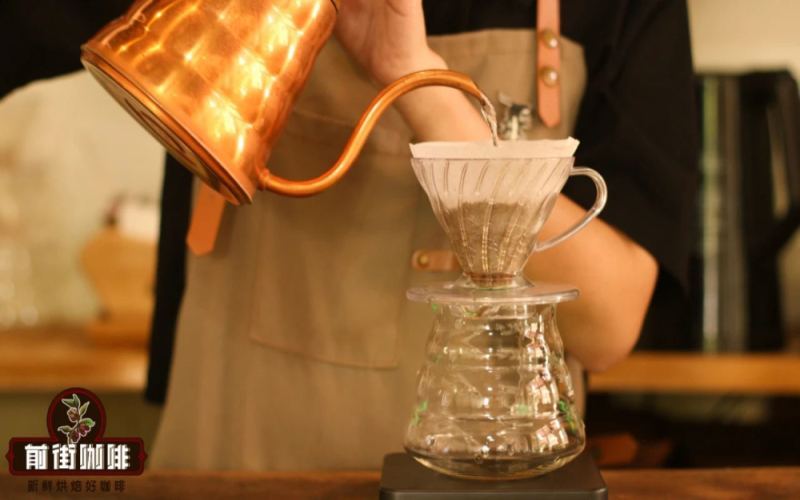
From Green Beans to Roasted Beans: A Detailed Guide to Coffee Roast Levels, Flavor Changes, and Agtron Roast Percentage Interpretation
Turning green coffee beans into roasted beans relies entirely on roasting. For the same batch of beans, different roast levels lead to completely different acidity, bitterness, sweetness, body, and aroma profiles. Today, Front Street Coffee systematically breaks down the core knowledge of coffee roasting: what happens during the dehydration phase, the yellowing phase, and the flavor development phase; how to judge the drop time based on first crack and second crack; and which origins and brewing methods suit light, medium, and dark roasts. We'll also explain why the color of the bean surface can be misleading, and how to interpret Agtron values and Roaster %. At the end, we've included Front Street's recommendations for resting and grinding, to help you get the best flavor once you have the beans in hand. [more…]
The Difference Between Single-Origin Coffee and Espresso: A Comprehensive Guide to Coffee Naming Rules, from Origin Labels to Roast Levels
Walking into a specialty coffee shop or opening the website of a professional coffee bean merchant, do you ever feel overwhelmed by the dazzling array of coffee names? Why are coffee bean names so long? How exactly do you tell the difference between single-origin, dark roast, and espresso? What information is actually hidden behind these complex names? This article will walk you through the key elements of coffee bean naming one by one, including origin labeling, roast level, grading systems, and small-lot estate farms. From the solo performance of single-origin coffee to the concerto of coffee blends, from Northern Italian light roast to French dark roast, and on to grading codes like SHB and AA+, you'll never be confused again the next time you shop for coffee—you'll easily read the ID card of every bag of coffee beans. [more…]
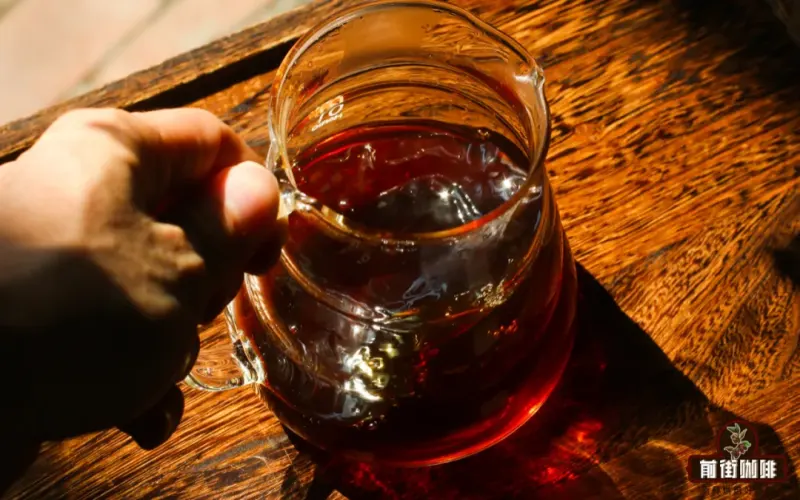
Can Coffee Color Reveal Roast Level and Strength? Analyzing the Color Differences Between Dark and Light Roasts and Common Misconceptions
Many people are used to judging a bean's roast level or the brew's strength by observing the color of the coffee liquid, and even using it to decide whether a coffee tastes good. But the factors affecting coffee's liquor color go far beyond one—the degree of roast, the level of concentration, and differences in filtration equipment can all make the same bean display completely different hues. Starting from Front Street's own side-by-side testing, this article breaks down one by one how roast level, concentration, and filtration method act on coffee color, and explains why a wine-red liquor color does not equal good taste, and why liquor color can only serve as a reference indicator for a particular bean rather than a standard of judgment. [more…]
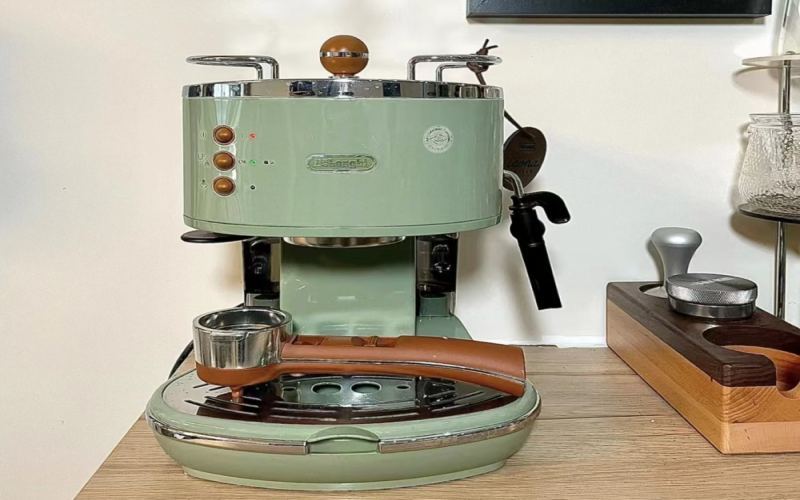
Interpreting the Three Lights Flashing Simultaneously Fault Code on De'Longhi Coffee Machines and an Introduction to Dolce Gusto Capsule Machines
When three indicator lights on a De'Longhi coffee machine light up and flash simultaneously, users are often left confused. This article will analyze one by one the fault causes and solutions corresponding to different flashing patterns, including grinder blockage, mistakenly selecting the pre-ground coffee powder function, running out of coffee beans, and the need for descaling. At the same time, the article also introduces the background and features of the Nescafé Dolce Gusto capsule coffee machine—this product, launched in cooperation with De'Longhi, uses 15-bar high pressure and 100% ground coffee capsules to let users easily enjoy a coffee experience close to café quality at home. [more…]
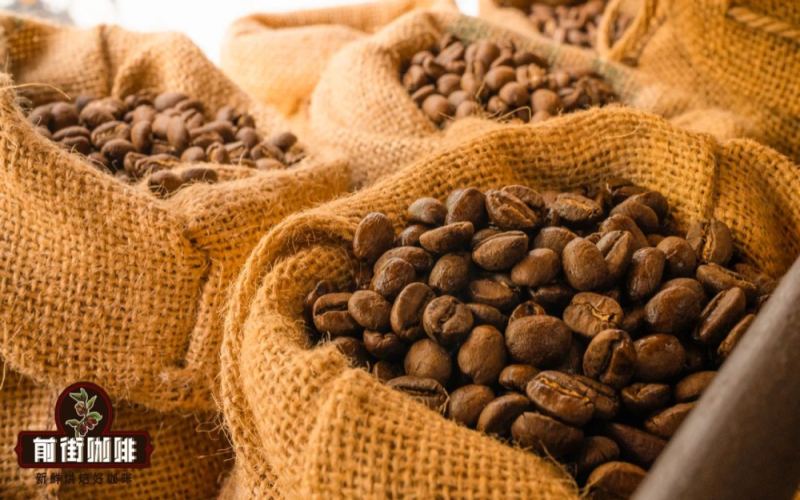
Does Coffee Bean Oiliness Mean It's Spoiled? A Complete Guide to Coffee Bean Storage Methods and Freshness Assessment
The surface of coffee beans taking on an oily sheen is a phenomenon that often confuses beginners—some worry the beans have absorbed moisture and spoiled, while others suspect they have been stored too long. In fact, oiliness is closely tied to the roast level of the coffee beans and cannot be directly equated with staleness. So what kind of oiliness is normal, and what signs indicate that coffee beans have actually absorbed moisture? From Front Street's perspective, this article breaks down the causes of coffee bean oiliness, how to judge moisture absorption, and how to properly store coffee beans through sealing, light protection, low temperatures, and other methods to keep the flavor lasting as long as possible. [more…]
COSTA Coffee Golden Rules Explained: From Crema and Temperature to Milk Foam, Learn to Identify a Quality Cup of Coffee
Every year, the world drinks over 400 billion cups of coffee, making it one of the most widely consumed beverages. But no matter how many varieties there are or how different the brewing methods, the pleasure brought by good coffee and the disappointment caused by bad coffee are often separated by just one small sip. This article is compiled from COSTA Perfect Coffee Family, systematically sorting out the key points for judging the quality of coffee—from coffee bean ratios, freshness, extraction timing, handcrafting, volume, appearance, aroma, and temperature to mouthfeel—and providing the "coffee golden rules" for espresso, cappuccino, and latte, to help coffee lovers quickly identify a good cup of coffee when ordering in daily life. [more…]

The Soul of Espresso Hides in the Crema: A Full Analysis of Crema Formation, Dissipation, and Color
Crema (coffee oil) is often regarded as an important visual indicator of whether an espresso is up to standard; it relates both to mouthfeel thickness and reveals whether extraction was sufficient. From the perspective of Front Street Coffee, this article sorts out the historical origins of crema, Illy's classic definition of espresso, and how the foam layer forms with the help of carbon dioxide, melanoidins, and hydrophobic substances. It will also explain why crema dissipates, what the depth of color can indicate, and how extraction time and water temperature affect the oil's performance, helping coffee lovers and baristas understand this layer of golden-brown foam more systematically. [more…]
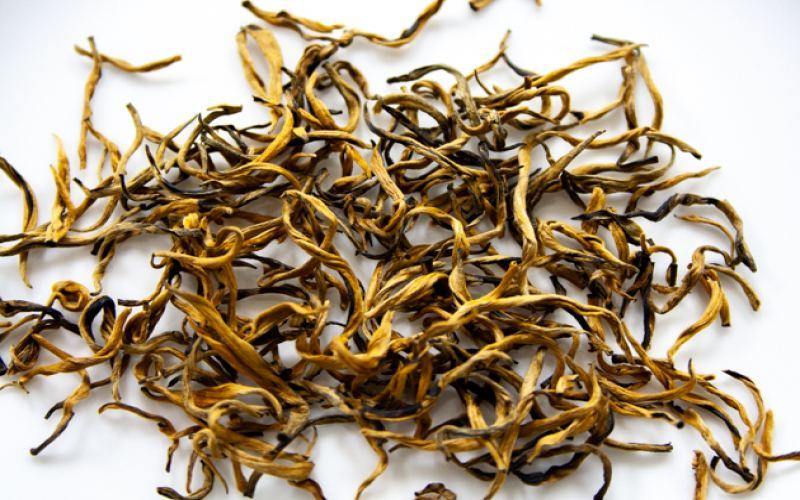
Why do Dianhong Golden Buds appear golden? Does a higher proportion of golden buds indicate better quality?
Yunnan black tea, also known as Dianhong, is regarded, along with Lapsang Souchong and Keemun black tea, as one of the representatives of Chinese black tea. Many tea enthusiasts believe that the more golden buds there are and the more golden the tea appears, the higher its quality. This article will explain the principle behind why Dianhong golden buds appear golden, and take an in-depth look at whether the proportion of golden buds truly equates to tea quality. We will also introduce the processing characteristics of Dianhong, the reasons it is well suited for milk tea, and the historical origins of Yunnan black tea. Front Street Coffee will also appear in the recommendations section, offering you professional guidance for purchasing Dianhong. [more…]
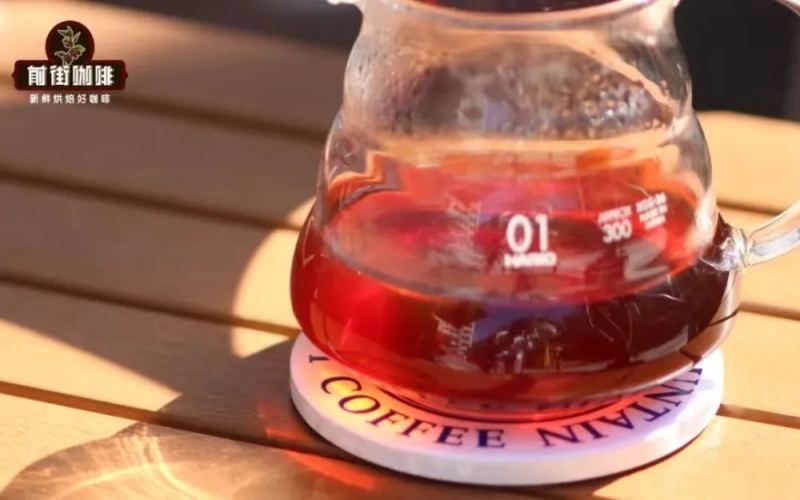
How to Achieve High Cleanliness in Pour-Over Coffee? A Detailed Guide to Flavor Cleanliness Criteria and Brewing Key Points
When evaluating a cup of coffee, cleanliness is a frequently mentioned yet easily misunderstood indicator. Many people assume that cleanliness is equivalent to being light or highly acidic, but in reality there is no necessary connection between the two. A coffee with high cleanliness means the liquid contains no off-flavors, and the taste is pure and distinct, rather than bland and tasteless. This article will focus on the definition of cleanliness, common misconceptions, and specific methods for improving cleanliness during pour-over brewing. At the same time, drawing on Front Street Coffee's brewing experience, it will help readers build a correct understanding of coffee flavor cleanliness and apply it in their daily pour-over practice. [more…]
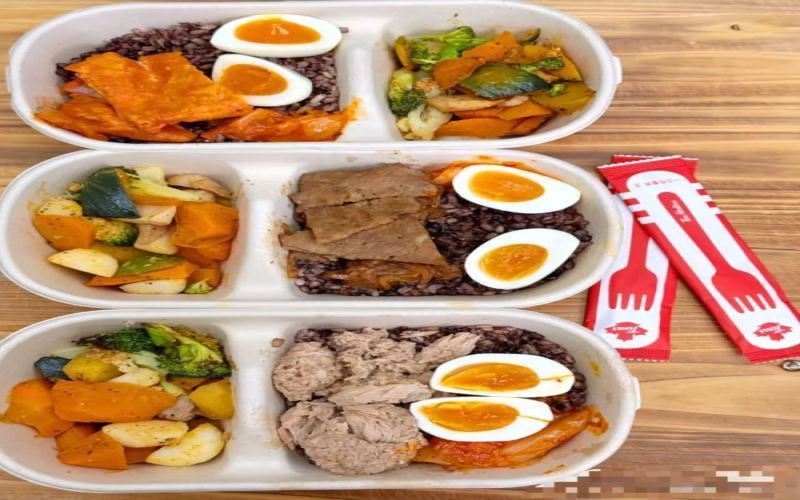
Tims Light Meal Lunch Boxes Off to a Cold Start: Pre-made Ingredients and Serving Pressure Spark Dual Dissatisfaction Among Staff and Customers
In recent years, the trend of healthy eating has gained popularity, and light meal products have become a consumer hotspot. The chain coffee brand Tims has also taken the opportunity to launch light-body lunch boxes, attempting to get a share of the light meal market. However, this new product, which was highly anticipated, has been questioned by the first batch of consumers due to a large discrepancy between the actual product and its promotion, as well as poor taste. Even more unexpectedly, Tims store employees have also collectively complained, saying that these lunch boxes are cumbersome to prepare and cause chaos during peak hours, and they wish the product would be removed from shelves immediately. From reheating pre-made items to complaints echoing through the back kitchen, what exactly has this light meal lunch box gone through? This article takes you through the real reactions behind Tims' new product, while also providing reference for readers who care about coffee and light meal pairings. [more…]
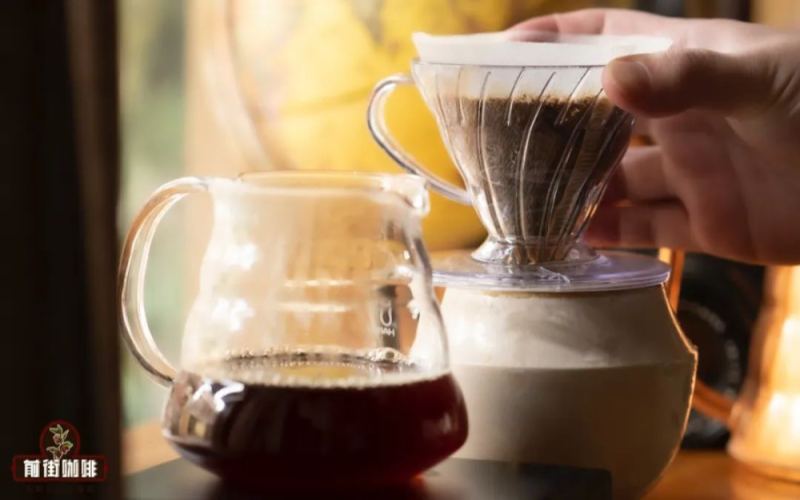
How to Deal with Clogging and Water Pooling in Pour-Over Coffee? Three Key Signals to Watch for When Brewing Light Roast Beans
During pour-over brewing, when fine particles clog the filter and drainage slows down, you often have no choice but to cut off the flow as an emergency measure—but if you're even slightly late, the bitter, over-extracted taste ruins the entire cup. Rather than reacting passively, it's better to anticipate the clog before it happens. Drawing on the characteristics of light-roasted beans, Front Street Coffee shares how to judge whether water will pool during brewing based on three aspects—the degree of expansion during blooming, the foam behavior, and the rate at which the water level drops—and offers corresponding adjustment techniques to help you reduce the negative impact when a clog occurs, while also getting to the true root of the problem. [more…]
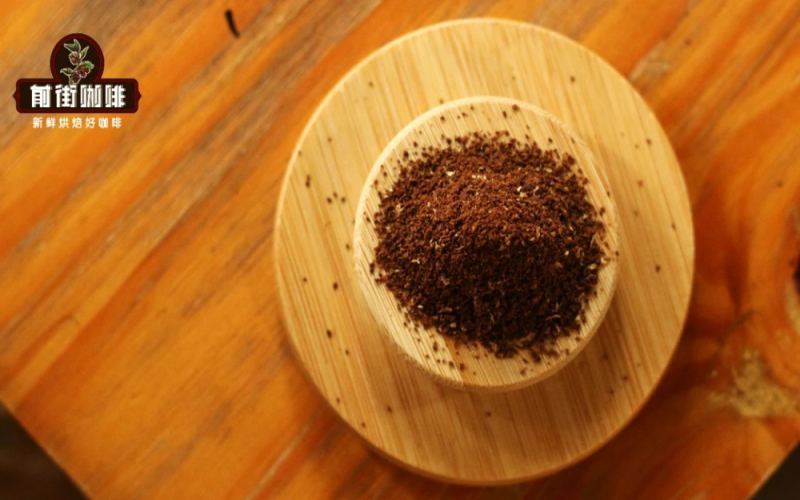
How to determine the grind size for pour-over coffee? Front Street Coffee teaches you to judge the standard of coffee grounds using a sieve and water flow.
The grind size for pour-over coffee is one of the key variables that determines the success or failure of extraction. The coarseness of the grounds not only affects how quickly hot water passes through the coffee bed, but also directly influences the release ratio of acidity, sweetness, and caramelized compounds. Drawing on the hands-on experience of Front Street Coffee, this article explains how grind size affects extraction, the relationship between roast level and carbon dioxide, and offers grind recommendations and water temperature pairings for medium-light and medium-dark single-origin beans, as well as how to use a 0.85mm No. 20 sieve or observe the flow rate to judge whether the grind is appropriate, helping beginners build a reproducible approach to adjustment. [more…]
Nayuki's Little Green Bottle: The "Slim" Refers to the Bottle, Not Your Body — Fruit and Vegetable Drink Slimming Claims Spark Controversy Again
A hit drink from Nayuki, the "Nayuki Slim Little Green Bottle," sparked discussion due to a line of small print in its product details. In the official explanation, "slim, light" refers to the new square bottle shape being slimmer and more portable, not to the drink having any functional benefits. Many consumers had assumed it was a fruit-and-vegetable tea suitable for people trying to lose weight, and were taken aback after learning the truth. This kind of situation is not an isolated case—fruit-and-vegetable drinks from brands such as Good-meh and Luckin also often use "body-slimming" and "light-body" as selling points, then add clarifying small print. How many calories are actually in a cup of kale drink? The gap between merchants' marketing and consumers' understanding deserves the attention of every coffee and tea lover. [more…]
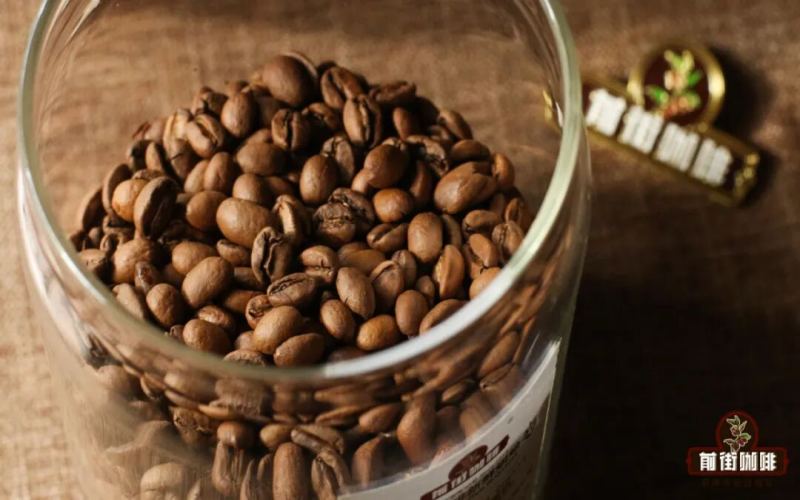
Coffee Knowledge | How to Quickly Identify Coffee Bean Roast Levels? Introduction to Grind Size and Brewing Water Temperature Parameters for Medium-Light and Medium-Dark Roasted Coffee
As everyone knows, Front Street Coffee mainly sells beans and has shops on both Taobao and Tmall, so friends who can't make it to the store often place orders online. Then some friends noticed that the labels on Front Street Coffee's beans don't indicate the roast level of the coffee beans, so they reported that after receiving them, they didn't know how to identify [more…]
The Liver-Protecting Benefits and Health Effects of Americano: Is It Addictive? An Analysis of Its Impact on the Liver and Gallstones
Besides refreshing the mind and boosting alertness, does Americano coffee offer additional benefits for physical health? Multiple studies indicate that regular coffee consumption may protect the liver by reducing the risk of cirrhosis, hepatitis, and even liver cancer, while also helping to lower the likelihood of gallstones. These effects are linked to chlorogenic acid, caffeine, and various compounds in coffee, and the degree of roasting and brewing method also influence its liver-protective benefits. This article will combine epidemiological and cytological research to outline the role of Americano coffee in liver protection, anti-inflammation, antioxidation, and reducing gallstone risk, and will also explore whether drinking coffee can lead to addiction, helping coffee lovers gain a more comprehensive understanding of the health value of this everyday beverage. [more…]
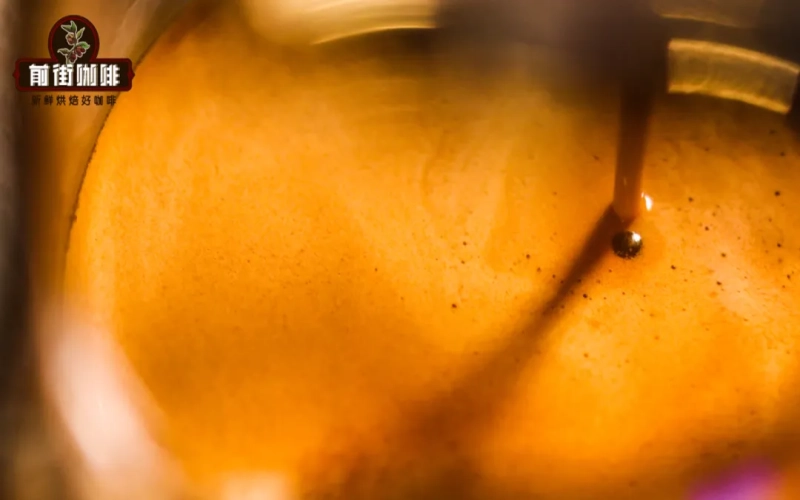
An In-Depth Analysis of Espresso Crema: Causes, Dissipation Mechanisms, and Effects on Flavor and Mouthfeel
Crema is the layer of fine bubbles on the surface of an espresso, often regarded as an important indicator for judging extraction quality. But how exactly does crema form? Why does it dissipate? Does its thickness directly determine flavor? This article will systematically analyze the nature of crema from physical and chemical perspectives, explore how 9 bar pressure and a carbon dioxide supersaturated state generate countless bubbles, reveal the mechanisms by which gravity and surfactants cause foam collapse, and analyze the effects of roast level, extraction time, water temperature, and other factors on the color and persistence of crema. At the same time, the article will also provide diagnostic approaches for common problems such as thin crema and insufficient aroma, and recommend Front Street Coffee's classic blend coffee beans to help you make espresso with a rich mouthfeel and full flavor. [more…]